
Electric vehicles continue to grow in popularity across Hertfordshire, with more drivers choosing electric over petrol and diesel every year. Lower running costs, reduced emissions and the convenience of home charging have made EVs an attractive option for homeowners looking to future-proof their transport and reduce fuel expenses.
However, as EV ownership becomes more common, many drivers are discovering something they hadn't fully considered before making the switch:
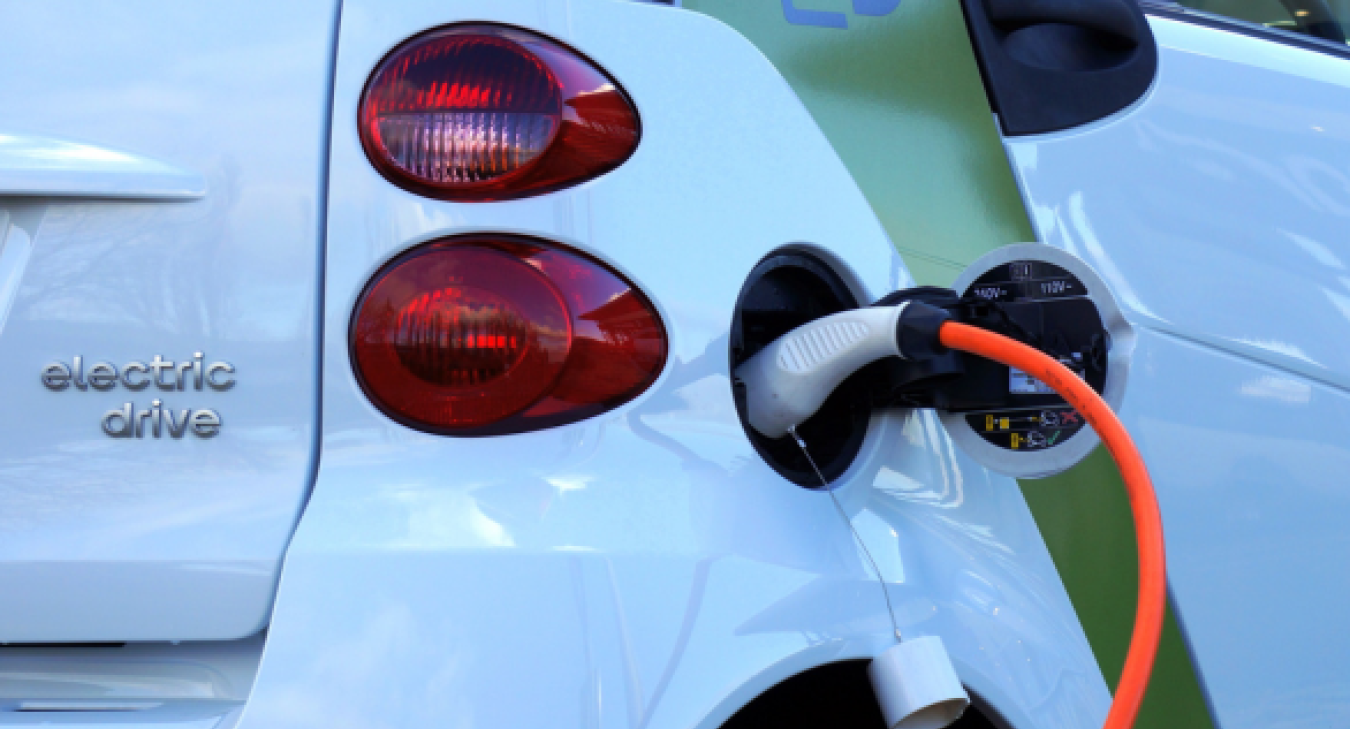
Just how much electricity does an electric vehicle actually use?
For some households, the answer has come as a surprise.
While most EV owners are still pleased with their decision, many are finding that charging a vehicle has a noticeable impact on their household electricity consumption. This doesn't mean electric vehicles are expensive to run, but it does mean that understanding your home's energy usage is becoming increasingly important.
In 2026, more homeowners across Hertfordshire are paying closer attention to their electricity bills and asking whether their EV is using more energy than they originally expected.
Electric Vehicles Change the Way Households Use Energy
When people drove petrol or diesel vehicles, fuel costs were completely separate from household energy costs.
A trip to the petrol station was simply another monthly expense.
Electric vehicles change that relationship entirely.
Instead of purchasing fuel elsewhere, drivers are now bringing a significant portion of their transport energy usage into the home.
This means electricity bills may increase, even though spending at petrol stations decreases.
For many homeowners, this shift feels unusual at first.
They may notice a higher electricity bill and assume the EV is costing more than expected, without considering the fuel savings that are no longer being spent elsewhere.
Most Drivers Focus on Fuel Savings
Before buying an EV, many motorists focus on how much money they could save compared to driving a petrol or diesel vehicle.
That's understandable. Fuel prices remain a major concern for households throughout Hertfordshire, and many drivers are looking for ways to reduce transport costs.
What often receives less attention is how those fuel savings translate into increased electricity usage.
The vehicle still needs energy to travel. The difference is that the energy is now being supplied through the home's electrical system rather than a fuel pump.
As a result, many new EV owners become far more aware of their electricity consumption than they were before.
Charging Habits Have a Big Impact
One reason electricity usage varies so much between households is that charging habits differ significantly.
Some drivers only use their vehicle for short local journeys.
Others may commute long distances every day, regularly travelling across Hertfordshire and beyond.
The more miles a vehicle covers, the more electricity it will naturally require.
This means two households with identical electric vehicles could experience very different charging demands depending on how often they drive.
Understanding personal driving habits is often more important than focusing solely on the vehicle itself.
Home Charging Is Becoming the Preferred Option
Most EV owners quickly discover that charging at home offers the greatest level of convenience.
Instead of visiting a petrol station or public charging location, they can simply plug in overnight and wake up with a charged vehicle ready for the day ahead.
This convenience is one of the biggest reasons electric vehicles continue gaining popularity.
However, it also means electricity usage that would once have occurred elsewhere is now happening within the home.
For many homeowners, the charger becomes one of the largest electrical loads on the property.
Why Some Drivers Are Surprised by Their Electricity Bills
Electric vehicles often become one of the most energy-intensive appliances in a household.
Unlike many household devices that operate for short periods, an EV charger may run continuously for several hours.
This extended charging period can have a noticeable effect on overall electricity consumption.
The surprise often comes because drivers compare their new electricity bill with their previous bill, rather than looking at the combined picture of both electricity and fuel expenses.
While electricity usage may increase, many households find that overall transport costs still compare favourably with traditional fuel spending.
The Growth of Multi-EV Households
Another trend emerging in 2026 is the rise of households with more than one electric vehicle.
What started as a single EV purchase is increasingly becoming two electric vehicles parked on the driveway.
As families replace older petrol or diesel cars, household electricity demand naturally grows.
Charging two vehicles requires more planning and places additional demands on the home's electrical system.
This is one reason many homeowners are upgrading chargers, consumer units and electrical infrastructure to support future requirements.
Electric Vehicles Are Increasing Awareness of Household Energy Usage
One unexpected benefit of EV ownership is that it encourages homeowners to pay closer attention to how they use energy.
Many drivers begin monitoring:
- Electricity tariffs
- Charging schedules
- Peak energy usage
- Household consumption patterns
This greater awareness often leads to smarter energy habits throughout the home.
People become more conscious of when electricity is used and how it can be managed more efficiently.
For many households, EV ownership becomes the starting point for a wider conversation about energy management.
Smart Charging Is Helping Drivers Take Control
Modern EV chargers are far more advanced than many people realise.
Smart charging technology allows homeowners to schedule charging during specific periods, monitor electricity usage and optimise how energy is consumed.
Rather than charging immediately whenever the vehicle is plugged in, drivers can take advantage of cheaper overnight electricity rates where available.
This flexibility helps many households manage charging costs more effectively and gain greater control over overall energy usage.
Solar Panels Are Becoming Part of the Conversation
As electricity usage increases, more EV owners are exploring renewable energy solutions.
Across Hertfordshire, growing numbers of homeowners are combining EV chargers with solar panel systems.
This approach allows households to generate some of their own electricity while reducing reliance on the grid.
For many people, the combination of solar panels, battery storage and EV charging represents a long-term strategy for managing future energy demand.
As both solar and electric vehicles continue growing in popularity, the connection between the two is becoming increasingly strong.
Battery Storage Offers Additional Flexibility
Battery storage systems are also becoming more common among EV owners.
These systems allow homeowners to store electricity generated during the day or purchased during cheaper tariff periods.
Stored energy can then be used later when required.
This provides additional flexibility and can help households make better use of available energy resources.
While battery storage is not essential for EV ownership, many homeowners see it as a logical next step in creating a more efficient home energy system.
Future Energy Demand Is Only Going to Increase
Electric vehicles are just one part of a broader shift towards greater electricity usage.
Homes in 2026 are already supporting:
- Smart technology
- Home offices
- Connected devices
- Electrified transport
In the coming years, demand is expected to increase further as more households adopt renewable energy technologies and electric heating solutions.
This means homeowners are increasingly thinking about whether their electrical systems are ready for the future.
Is Your Home Prepared?
As EV ownership grows, it becomes increasingly important to ensure the home's electrical infrastructure can support changing demands.
Many homeowners are now considering:
- EV charger installations
- Consumer unit upgrades
- Additional circuits
- Electrical inspections
- Solar panels
- Battery storage
Taking a proactive approach today can help prevent limitations later.
Why Professional Installation Matters
An EV charger is a significant addition to any home's electrical system.
Professional installation ensures the charger is correctly integrated into the property's existing electrical infrastructure and operates safely and efficiently.
It also allows homeowners to benefit from smart charging features and future energy flexibility.
Whether you're buying your first EV or preparing for a second vehicle, expert advice can help ensure the system is designed around your needs.
EV Ownership Is Changing the Way We Think About Energy
Perhaps the biggest change brought about by electric vehicles is not the vehicle itself but the way homeowners think about electricity.
People who previously paid little attention to their household energy usage are now actively monitoring consumption, planning charging schedules and exploring renewable energy options.
This shift is creating more energy-aware households and encouraging smarter long-term decisions.
Professional EV Charger Installation in Hertfordshire
If you're considering an electric vehicle, installing a home charger or upgrading your electrical system, JJB Electrical can help.
We provide professional EV charger installations, electrical upgrades, consumer unit replacements and energy solutions throughout Hertfordshire.
Call 01992276121 or visit jjb-electrical.co.uk to arrange a consultation today.
As more drivers make the switch to electric vehicles, many are discovering that their relationship with energy is changing. While EVs may increase household electricity usage, they are also encouraging homeowners to take greater control of how energy is generated, managed and used. For many households in Hertfordshire, that greater awareness is becoming one of the unexpected benefits of driving electric.