
Electric vehicles are no longer a novelty. Across Cheshunt and the wider UK, more households are making the switch from petrol and diesel cars to electric alternatives. What started with one EV on the driveway is increasingly becoming two.
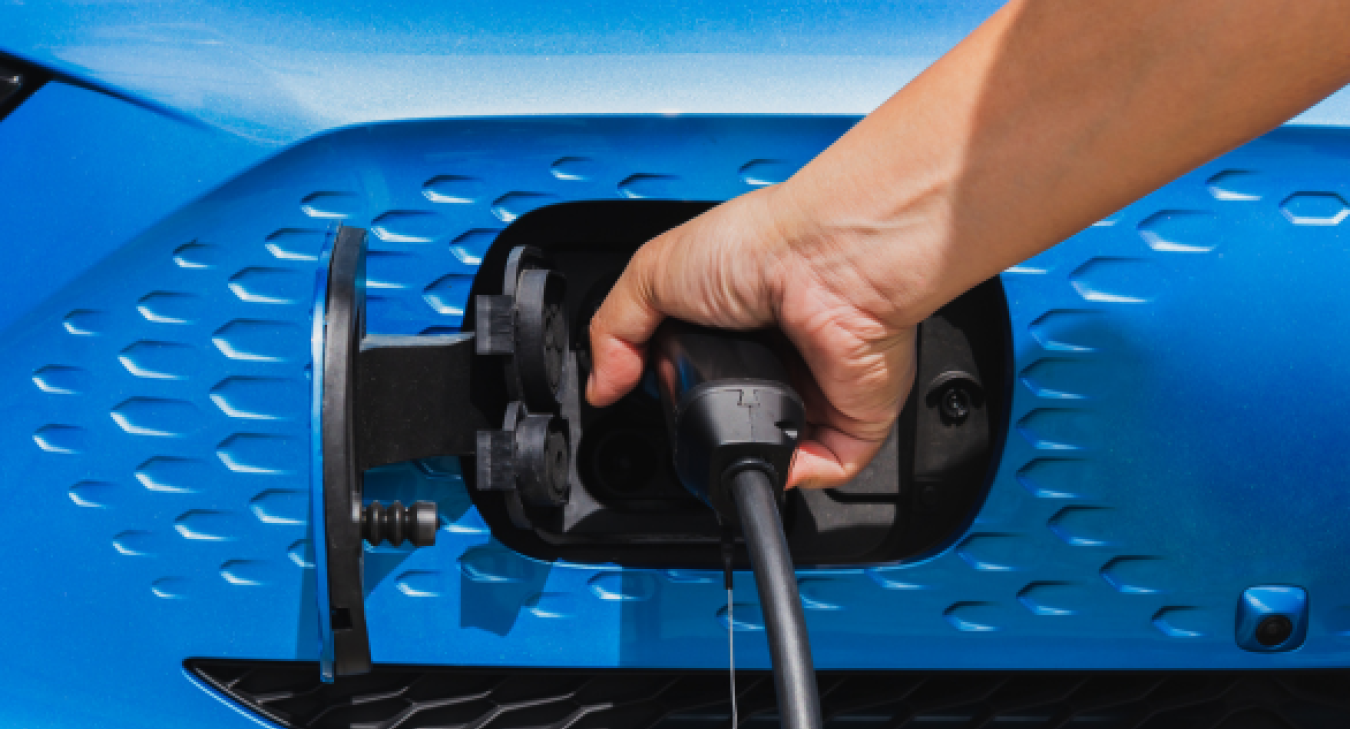
For many families, the first electric vehicle proved to be such a success that replacing the second household car with another EV became the obvious next step. Lower running costs, the convenience of home charging and growing confidence in charging infrastructure have all contributed to this trend.
However, while buying a second EV may seem straightforward, many homeowners overlook an important question:
Can your home's electrical system cope with a second electric vehicle?
As homes become more dependent on electricity, charging multiple vehicles can significantly increase energy demand. While most properties can support a second EV with the right setup, it's important to understand how increased charging requirements may affect your home's electrical system.
The Rise of Multi-EV Households
Only a few years ago, most households had a single vehicle powered by petrol or diesel. Today, things are changing rapidly.
Many families now have:
- Two electric vehicles
- An EV and a plug-in hybridA company EV alongside a personal vehicle
As more manufacturers expand their electric vehicle ranges and more drivers gain confidence in EV ownership, multi-EV households are becoming increasingly common.
For homeowners in Cheshunt, this means electricity is now playing a much larger role in daily life than ever before.
Charging One EV Is Different from Charging Two
When a household installs its first EV charger, the home's electrical system is assessed to ensure it can safely support the additional demand.
For many properties, this process is relatively straightforward.
However, adding a second electric vehicle changes the situation.
The home may now need to support:
- Two vehicles charging overnight
- Longer charging periods
- Greater overall electricity consumption
- Increased demand during peak household usage
While this does not automatically mean major electrical upgrades are required, it does make electrical planning more important.
Why Electricity Demand Is Increasing
Electric vehicles are just one part of a broader trend.
Modern homes already use far more electricity than they did ten or twenty years ago.
Today's households commonly rely on:
Home offices, smart technology, security systems, entertainment equipment and high-powered kitchen appliances. Many homes are also considering solar panels, battery storage and smart energy systems.
When you add two electric vehicles into the mix, overall demand can increase significantly.
This is why more homeowners are asking whether their electrical infrastructure is ready for the future.
Home Charging Remains the Preferred Option
Most EV owners prefer charging at home whenever possible.
The convenience is hard to beat. Instead of visiting a petrol station or searching for an available public charger, drivers can simply plug in at home and charge overnight.
When there is only one EV, this is often easy to manage.
With two vehicles, however, homeowners may need to think more carefully about how charging is scheduled and how electricity is distributed throughout the property.
This is where modern charging technology becomes particularly valuable.
Smart Chargers Are Changing the Way Homes Manage Energy
Today's EV chargers are much more advanced than many people realise.
Smart chargers can communicate with the vehicle, monitor energy usage and schedule charging automatically.
Rather than charging both vehicles at full power simultaneously, smart systems can intelligently manage charging schedules based on household demand.
This helps:
- Prevent unnecessary electrical strain
- Improve energy efficiencyTake advantage of cheaper electricity periods
- Reduce charging costs
- For households with multiple EVs, smart charging often becomes an essential part of the setup.
The Consumer Unit Plays an Important Role
The consumer unit is the central control point of a property's electrical system.
Every circuit within the home connects back to it.
As electrical demand increases, the condition and capacity of the consumer unit become increasingly important.
Many homes in Cheshunt were built long before electric vehicles became common. While that does not necessarily mean there is a problem, it does mean that some properties may benefit from an assessment before adding additional charging capacity.
A qualified electrician can determine whether the existing installation remains suitable or whether upgrades may be recommended.
Future-Proofing Is Becoming a Priority
One interesting trend among homeowners is that many are planning ahead even before purchasing a second EV.
Rather than waiting until another vehicle arrives, they are preparing their electrical systems in advance.
This may include:
- Installing a dual charging setup
- Upgrading electrical infrastructure
- Improving charger locations
- Assessing future energy requirements
Planning ahead often reduces disruption and helps ensure the home is ready for changing transport needs.
Solar Panels Are Becoming Part of the Conversation
As households increase their electricity usage, many homeowners begin exploring renewable energy options.
Solar panels are becoming increasingly popular among EV owners because they allow homes to generate some of their own electricity.
For families charging multiple vehicles, this can be particularly attractive.
Instead of relying entirely on electricity purchased from the grid, homeowners can generate a portion of the energy required to support both household usage and vehicle charging.
The combination of solar and EV charging is becoming a common long-term strategy for energy-conscious households.
Battery Storage Adds Flexibility
Battery storage systems are also becoming more relevant for homes with multiple electric vehicles.
A battery allows homeowners to store electricity and use it later when required.
This can help support:
- Evening charging, overnight energy demand and general household consumption.
As electricity usage increases, battery storage offers additional flexibility and can help households make more efficient use of available energy.
Why More Homeowners Are Thinking Beyond Today's Needs
A second EV often prompts homeowners to think more broadly about the future.
Questions that commonly arise include:
- Will we eventually own two fully electric vehicles?
- Should we install solar panels?
- Do we need a consumer unit upgrade?
- How much electricity will the house use in five years?
Rather than making decisions based solely on today's requirements, many homeowners are now considering how their energy needs may evolve over the next decade.
This future-focused mindset is driving greater interest in electrical upgrades and smart energy solutions.
Electrical Inspections Can Provide Valuable Insight
If you're unsure whether your home's electrics are ready for a second EV, an electrical inspection can provide clarity.
A professional assessment can help identify:
The condition of the existing electrical system, available capacity and whether any upgrades may be beneficial.
For many homeowners, this provides reassurance and helps avoid unexpected issues later.
Understanding the current state of the electrical installation is often the first step towards future-proofing the property.
Public Charging Is Not Always the Best Long-Term Solution
Some households initially rely on public charging when they purchase a second EV.
While this can work, many drivers eventually find that home charging offers greater convenience and better control over costs.
Managing two vehicles through public charging alone can become time-consuming and less predictable.
This is one reason home charging infrastructure continues growing throughout Cheshunt and the wider UK.
Preparing for a More Electric Future
Electric vehicles are only one part of a much larger shift towards increased electricity usage.
Homes are becoming increasingly dependent on electricity for:
- Transport, communication, entertainment, work and energy management.
As this trend continues, ensuring the electrical system can support future demand becomes increasingly important.
For many homeowners, preparing for a second EV is really about preparing for a more electric future overall.
Signs It May Be Time to Assess Your Electrical System
You may benefit from a professional assessment if:
- You already own one electric vehicle and are considering a second
- Your property has older electrics
- You are planning a home renovation
- You are considering solar panels or battery storage
- You want to future-proof your home
Taking a proactive approach today can help avoid limitations tomorrow.
Professional EV Charger Installation in Cheshunt
At JJB Electrical, we help homeowners across Cheshunt prepare for the future of electric vehicle ownership.
Whether you're installing your first charger, planning for a second EV or considering wider electrical upgrades, we can provide expert advice and professional installation services.
Call 01992 276087 or visit jjb-electrical.co.uk to arrange a consultation.
As more households move towards owning multiple electric vehicles, ensuring your home's electrical system is ready has never been more important. A little planning today can help create a safer, more efficient and future-ready home for years to come.