
As more residents in Cheshunt switch to electric vehicles, many are starting to notice something unusual. Their EV charger works perfectly most of the year, but during heatwaves or bitter cold snaps, the charging performance changes.
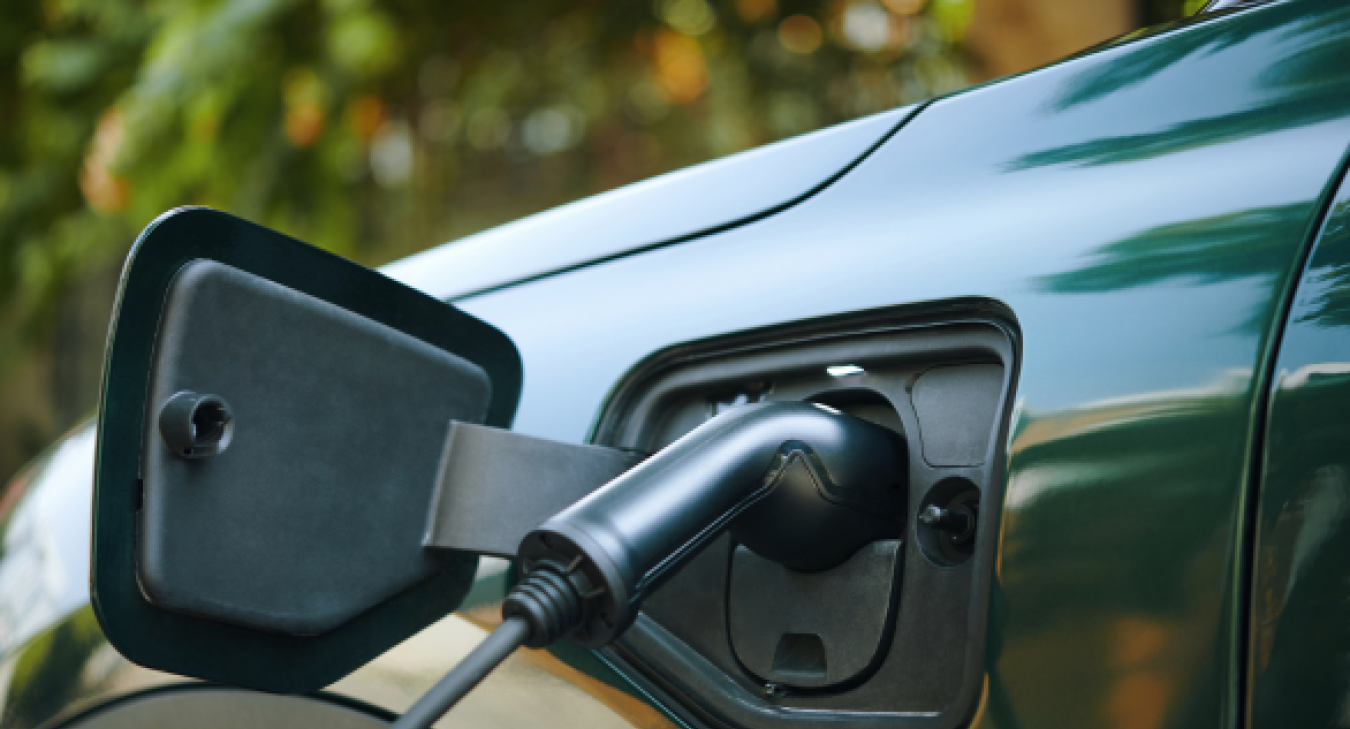
How Heatwaves and Cold Snaps Affect Your EV Charging Performance in Cheshunt
Sometimes the charge rate slows down, sometimes the charger cuts out, and in other situations the vehicle itself seems to limit the power.
This is not a fault with the charger or the car. Extreme temperatures have a direct impact on charging speed, energy efficiency and the way both the EV and the charger protect themselves from damage. Understanding these changes helps homeowners make better decisions about installation, charging habits and system maintenance.
This blog explains how heat and cold affect EV charging performance in Cheshunt and what you can do to avoid problems all year round.
Why Temperature Changes Matter for EV Charging
Both EV batteries and home EV chargers work best within a controlled temperature range. When it gets too hot or too cold, the system automatically adjusts to stay safe. That means lower charging speeds, reduced efficiency or protective cut-offs.
The effect is more noticeable in Cheshunt homes where chargers are installed outdoors, under carports or in garages without consistent insulation.
How Heatwaves Affect EV Charging in Cheshunt
The UK has seen more frequent heatwaves in recent years, and temperatures inside garages or driveways can rise far above the outdoor reading. This can affect both the charger and the vehicle.
Battery protection leads to slower charging
EV batteries dislike high temperatures. When the battery gets too warm, the car slows the charging rate to prevent overheating. Instead of charging at full speed, the car may drop the output significantly for safety.
Most EVs do this automatically once temperatures reach around 30–35°C.
Charger components heat up and reduce efficiency
Home EV chargers also generate heat while in use. During a heatwave, the internal components warm faster. When the temperature reaches a threshold, the charger reduces output or pauses to protect itself.
Homeowners often think this is a fault, but it is a built-in safety function.
Cables become warm and limit current flow
Charging cables laying under direct sun or on hot ground absorb heat. Warm cables increase resistance, which reduces charging efficiency.
If a cable feels hot to the touch, it’s a sign the system is managing thermal load.
How Cold Snaps Affect EV Charging in Cheshunt
Cold weather affects EVs even more dramatically than heat. During winter, especially when temperatures fall below freezing, many residents in Cheshunt notice significantly slower charging speeds.
Batteries charge slower in cold conditions
Cold batteries cannot accept energy as quickly. EV manufacturers design their systems to limit power when temperatures are low. Even at the same charger, you may see half the usual speed until the battery warms up.
This is why charging a very cold EV early in the morning often takes much longer.
Your EV performs battery preconditioning
Some vehicles automatically warm the battery before charging. This uses energy and time, making the charging session appear “slow” even though nothing is wrong.
Charger housing can stiffen and reduce ventilation
Cold weather can make seals, plastics and ventilation grills less effective. If airflow reduces, the charger protects itself by lowering output.
Cables become rigid and less efficient
Freezing temperatures can make charging cables stiff. When internal resistance increases, the system may reduce load to prevent damage.
Other Temperature-Based Issues in Cheshunt Homes
Older garages in Cheshunt that lack insulation often fluctuate between extreme temperatures. This influences charging performance in additional ways:
- Condensation forming on connections
- Outdoor chargers becoming exposed to direct sun
- Freezing moisture affecting charging ports
- Poor ventilation in enclosed spaces trapping heat
These environmental factors can cause temporary interruptions or the charger switching to a reduced-power mode.
How to Improve EV Charging Performance Through All Seasons
While you cannot control the weather, you can reduce its effect on your EV charger. Here are practical adjustments homeowners in Cheshunt can make.
Charge outside peak temperature times
Charging in the early morning or late evening helps avoid the worst heat in summer and the coldest temperatures in winter.
Install your charger in the best possible location
Whenever possible, placing the charger:
- In a shaded spot
- Inside a garage with ventilation
- Away from direct sunlight
- Protected from wind exposure
helps keep temperatures stable.
Use the correct cable rating
Cheaper or older charging cables heat up more quickly. A higher-quality cable dissipates heat better and remains flexible in winter.
Keep the battery between 20% and 80% in extreme weather
This reduces stress on the battery and improves charging stability.
Allow the vehicle to precondition
Many EVs let you schedule battery conditioning before plugging in. This helps prevent slow charging in freezing weather.
When Temperature Changes Are a Sign of a Larger Problem
While heatwaves and cold snaps do affect charging speed naturally, there are times when reduced performance signals an electrical issue. If your EV charger in Cheshunt slows down even during mild weather, this may indicate:
- Poor cable insulation
- Overloaded circuits
- Incorrect breaker or RCD type
- Undersized wiring
- Ventilation problems inside the charger
- Wear on internal components
A professional EV charger inspection can determine whether the system is performing normally or if an upgrade is needed.
Why Local Support in Cheshunt Makes a Difference
Local conditions matter. Cheshunt homes range from modern builds to older properties with outdated wiring. The temperature performance of an EV charger often depends on the property’s electrical health as much as the weather.
A qualified electrician who regularly works in Cheshunt understands common layout issues, insulation limitations and supply variations that affect chargers in different streets.
Need Help With EV Charger Issues in Cheshunt
If your charger slows down, cuts out or behaves differently during heatwaves or cold snaps, JJB Electrical can help. Our NAPIT-registered electricians diagnose EV charger temperature issues, check electrical compatibility and make sure your system runs safely in all seasons.
For inspections, installation or upgrades, call 01992 276087.