
Most EV owners assume that when they plug their car in at home, the charger simply delivers a steady flow of electricity until the battery is full. In reality, home EV charging in the UK is closely linked to the national electricity grid, and small changes in voltage can have a noticeable impact on charging speed, reliability, and long term equipment health.
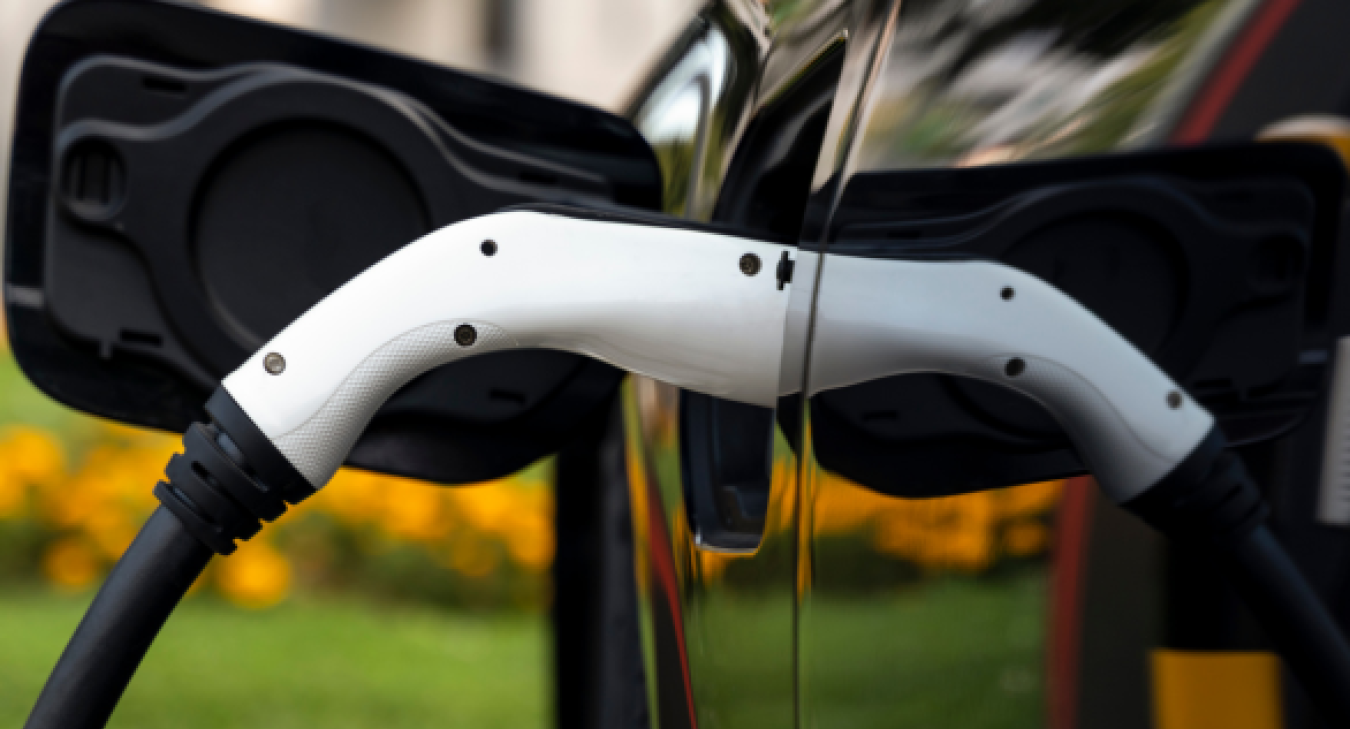
How UK Grid Voltage Fluctuations Affect Home EV Charging
Voltage fluctuations are normal across the UK grid, but many homeowners are unaware of how much influence they have on EV chargers. Understanding what is happening behind the scenes can help explain slow charging, unexpected power reductions, and occasional charging interruptions.
What voltage fluctuation actually means
Voltage refers to the pressure that pushes electricity through your wiring. In the UK, homes are designed to operate at around 230 volts. However, this level is not perfectly constant. It naturally rises and falls depending on demand, local infrastructure, and grid conditions.
These changes are usually small and harmless for everyday appliances, but EV chargers are high load devices that draw power for long periods. This makes them far more sensitive to voltage variation than kettles or lighting circuits.
Why voltage changes across the UK grid
The UK electricity grid is under increasing pressure as more homes use electric heating, induction cooking, heat pumps, and EV chargers. At peak times, particularly in the early evening, demand increases sharply.
When demand rises, voltage can dip slightly. In quieter periods, voltage may rise. Local factors also play a role, including distance from substations, older infrastructure, and how many high demand devices are being used in nearby properties.
How EV chargers respond to voltage changes
Modern EV chargers constantly monitor supply conditions. If voltage drops below a safe threshold, the charger may reduce its output or pause charging altogether. This is not a fault. It is a safety response designed to protect the charger, the vehicle, and the home’s electrical system.
Some chargers will resume charging automatically when voltage stabilises. Others may require a reset or may simply continue charging at a reduced rate without alerting the user.
Slower charging without warning
One of the most common effects of voltage fluctuation is slower charging that appears without explanation. The charger still operates, but charging times increase.
This can be confusing for homeowners who expect consistent performance. In many cases, the charger is deliberately limiting output because it detects unstable voltage and is protecting itself from stress or overheating.
Increased strain on household wiring
When voltage fluctuates, EV chargers may draw higher current to compensate. This increases heat in cables, connections, and protective devices.
If the home’s wiring is older or the circuit was not designed with EV charging in mind, this added strain can expose weaknesses. Over time, this may lead to nuisance tripping or degraded components.
Impact on smart charging features
Many EV chargers use smart features such as load balancing, off peak scheduling, and demand response. Voltage fluctuations can interfere with these systems.
A charger may delay charging, shift charging times, or adjust power levels based on grid conditions. While these changes are often beneficial for grid stability, they can feel unpredictable to homeowners who are not aware of how the system works.
Why some homes are affected more than others
Not all homes experience voltage issues equally. Properties at the end of supply lines, homes with shared infrastructure, or areas with older cabling are more likely to see noticeable fluctuations.
Homes that already have high electrical demand from electric showers, heat pumps, or multiple EVs are also more likely to trigger protective behaviour from chargers.
The role of proper electrical installation
A correctly installed EV charging circuit plays a major role in managing voltage variation. Dedicated circuits, appropriate cable sizing, correct earthing, and suitable protection devices all help stabilise charging performance.
Professional installation ensures that the charger can operate safely even when grid conditions are not ideal.
When voltage issues become a warning sign
Occasional voltage related slowdowns are normal. However, frequent interruptions, repeated power reduction, or chargers failing to start can indicate deeper electrical issues within the property.
Loose connections, undersized cables, ageing consumer units, or incorrect protective devices can all magnify the impact of voltage fluctuations.
How professional checks improve charging reliability
An electrical inspection focused on EV charging looks beyond the charger itself. Supply capacity, voltage stability, circuit integrity, and protective coordination are all assessed.
In many cases, small upgrades or adjustments significantly improve charging consistency without the need to replace the charger.
Why understanding voltage matters for EV owners
As EV adoption grows, voltage fluctuation will become more noticeable across the UK. Chargers are designed to adapt, but homeowners benefit from understanding why behaviour changes occur.
Knowing that reduced charging speed is often a safety feature rather than a fault helps prevent unnecessary worry and allows informed decisions about electrical upgrades.
Final thoughts
Home EV charging is closely tied to the health of the UK electricity grid and the condition of your home’s electrical system. Voltage fluctuations are normal, but how your charger responds can reveal valuable information about your installation.
A charger that adapts safely is doing its job. When those adaptations become frequent, it is often time to have the electrical system reviewed to ensure long term safety, reliability, and performance.
Call 01992276121 to book an EV charger inspection or speak with JJB Electrical for an installation.