
As more homeowners in Waltham Abbey switch to electric vehicles, home EV chargers are becoming a common feature on driveways and garages.
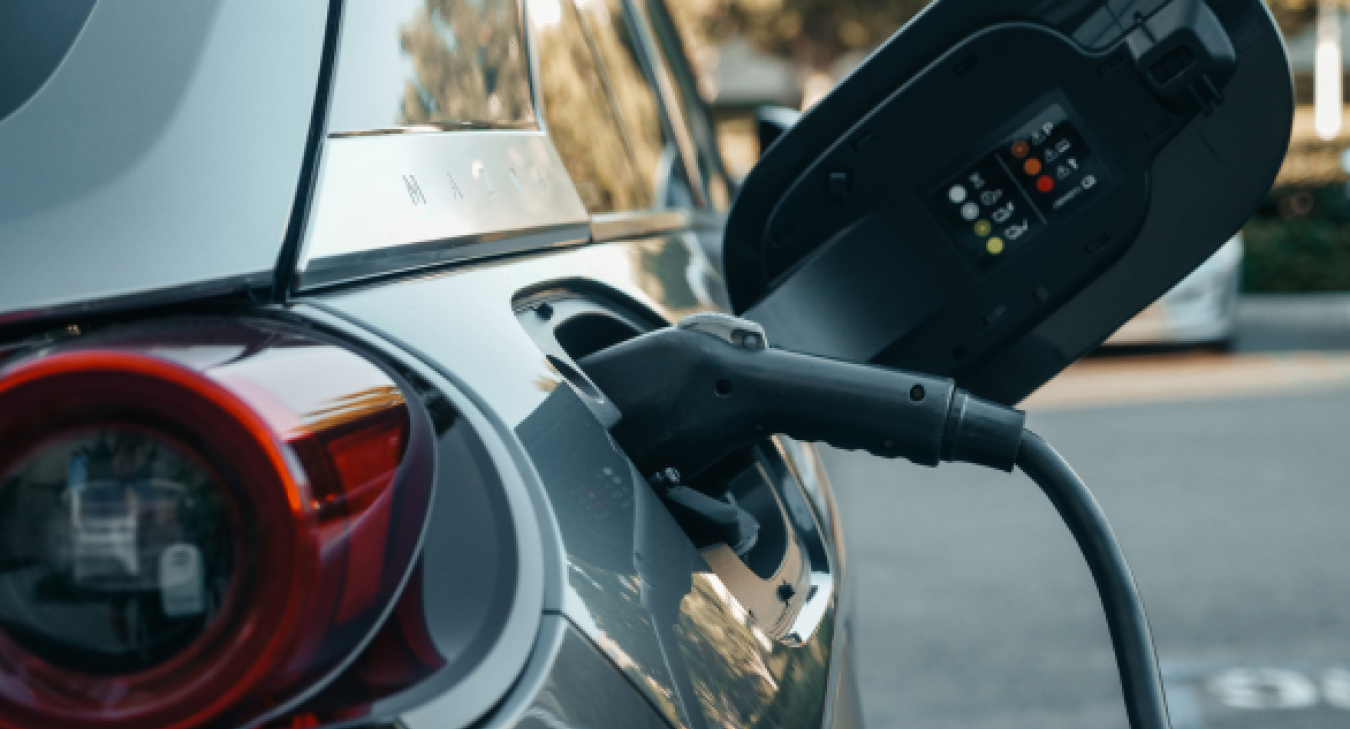
Shared Power Issues With EV Chargers in Waltham Abbey
While many installations work perfectly, some EV owners notice inconsistent charging speeds, unexplained power reductions or chargers that seem to struggle at certain times of day.
One of the most common and least understood causes of these issues is shared power within the home. At JJB Electrical, we regularly investigate EV charger problems in Waltham Abbey that are not caused by the charger itself, but by how power is distributed across the property.
What shared power actually means
Shared power occurs when multiple circuits or appliances draw electricity from the same supply capacity at the same time. In many homes, especially older properties in Waltham Abbey, the electrical system was never designed with electric vehicle charging in mind.
An EV charger is one of the highest continuous electrical loads a home can have. When it shares capacity with other high-demand appliances, the system can become stretched, even if nothing appears to trip or fail outright.
Why EV chargers are sensitive to shared loads
Modern EV chargers constantly monitor voltage stability and current flow. If the charger detects fluctuations caused by other appliances switching on and off, it may reduce charging power to protect the electrical system.
This often happens without any warning. Homeowners may assume the charger is faulty, when in reality it is responding to conditions elsewhere in the home.
Common household causes of shared power strain
In Waltham Abbey homes, we frequently find shared power issues linked to electric showers, cookers, induction hobs, heat pumps and home offices. When these appliances run at the same time as an EV charger, demand increases sharply.
If the incoming supply or internal circuits are not correctly balanced, the EV charger compensates by lowering output. This protects cables, connections and the consumer unit from overheating.
Older wiring increases the impact
Many properties in Waltham Abbey still rely on wiring installed decades ago. While it may be safe, it often lacks the capacity and resilience required for modern electrical lifestyles.
Shared neutrals, ageing connections and undersized cables amplify the effects of shared loads. Even small voltage drops can trigger protective behaviour in EV chargers.
Consumer unit limitations play a key role
The consumer unit is the control centre of your electrical system. If it has not been upgraded to modern standards, it may struggle to manage multiple high-demand circuits simultaneously.
Older boards without individual circuit protection or load management capabilities can cause EV chargers to operate conservatively. In some cases, the charger reduces power to avoid nuisance tripping or overheating at the consumer unit.
Why charging times vary throughout the day
Many homeowners notice that their EV charges faster overnight than during the day. This is often due to reduced household usage rather than off-peak tariffs alone.
During the evening, lighting, cooking, entertainment systems and heating all compete for power. At night, demand drops, allowing the charger to operate at full capacity. This variation is a clear sign of shared power influence.
When shared power becomes a safety concern
While reduced charging speed is often just an inconvenience, shared power issues can also signal underlying risks. Persistent voltage fluctuations, warm cables or repeated load reduction indicate a system operating near its limits.
Left unaddressed, this can lead to accelerated wear on wiring, consumer unit components and the charger itself.
How professional assessment resolves shared power issues
At JJB Electrical, we assess EV charging installations holistically. Rather than focusing only on the charger, we examine supply capacity, circuit layout, consumer unit protection and overall household demand.
In many Waltham Abbey homes, solutions include installing dedicated EV circuits, upgrading consumer units, improving load distribution or correcting shared neutral arrangements. These improvements allow EV chargers to operate safely and consistently.
Why Waltham Abbey homeowners choose JJB Electrical
We understand the electrical characteristics of homes across Waltham Abbey and how modern EV charging interacts with older systems. Our electricians are NAPIT registered and experienced in designing EV installations that work reliably without compromising household safety.
We take the time to explain what is happening and why, so homeowners can make informed decisions with confidence.
Book an EV charger assessment in Waltham Abbey
If your EV charger in Waltham Abbey is slowing down, behaving inconsistently or charging differently depending on the time of day, shared power may be the cause.
Call 01992276121 to book an EV charger assessment or to discuss upgrading your electrical system. JJB Electrical provides trusted EV charging solutions throughout Waltham Abbey.