
Electric vehicles continue to grow in popularity across Hertfordshire, with more drivers making the switch from petrol and diesel vehicles every year. Rising fuel prices, improved EV technology and growing awareness of running costs have all contributed to this shift.
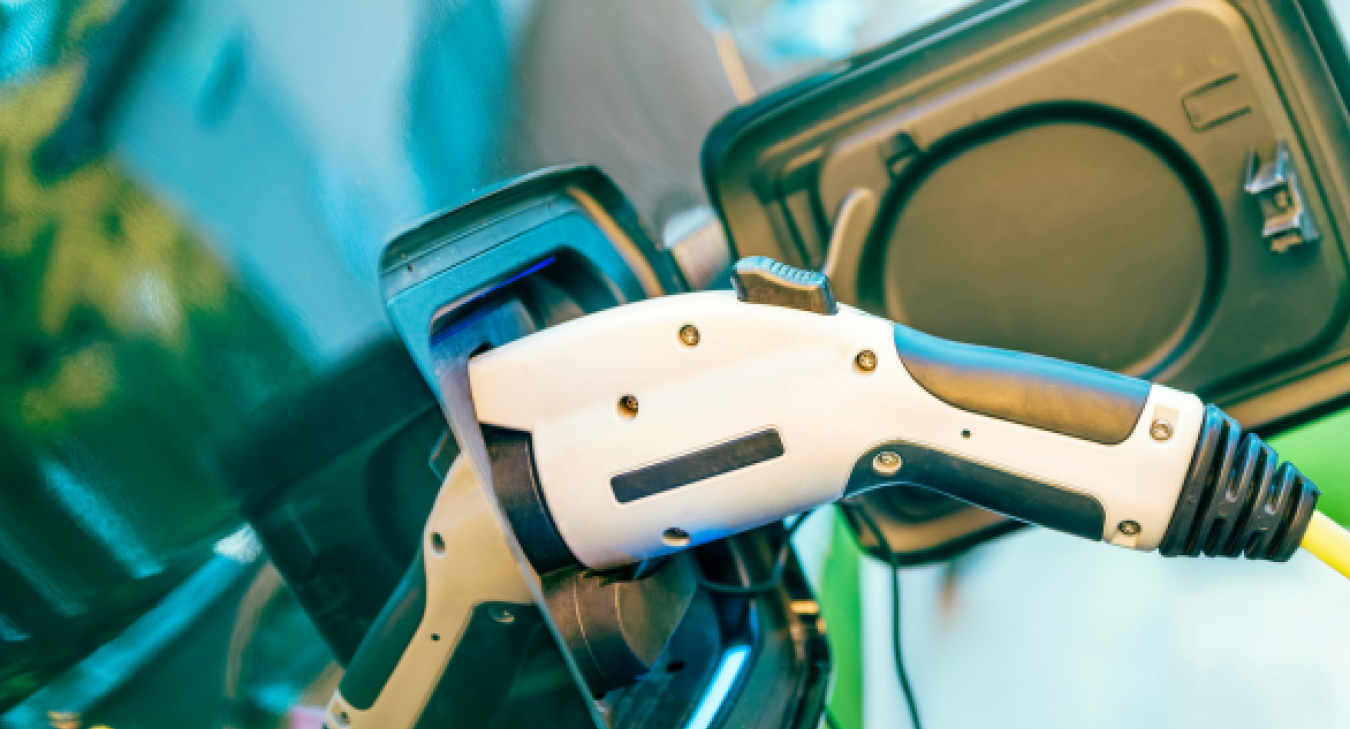
For many motorists, one of the biggest attractions of owning an electric vehicle is the potential to save money. Compared to traditional fuel costs, EVs are often promoted as a more affordable way to drive.
However, some drivers are discovering that the reality can be more complicated than expected.
In 2026, a growing number of EV owners are finding that charging costs are higher than they anticipated, particularly if they do not have access to a home EV charger.
While electric vehicles can still offer significant savings, the way they are charged plays a major role in determining overall running costs. Drivers who rely heavily on public charging networks often face higher expenses, less flexibility and reduced control over how much they spend.
This is one reason more homeowners throughout Hertfordshire are now considering installing their own EV charger at home.
The Cost of Running an EV Depends on How You Charge It
When people compare electric vehicles with petrol cars, they often focus on the difference between fuel prices and electricity prices.
While this comparison is important, it does not tell the whole story.
Not all electricity costs the same.
Where and when an EV is charged can significantly influence how much a driver spends over the course of a month or year.
Many new EV owners assume that all charging will be relatively inexpensive. However, drivers without home charging facilities often discover that public charging costs can add up surprisingly quickly.
Public Charging Offers Convenience but Comes at a Price
Public charging infrastructure has expanded rapidly throughout Hertfordshire and the wider UK.
Drivers can now charge their vehicles at:
- Supermarkets
- Retail parks
- Service stations
- Public car parks
- Workplace locations
This growing network has made EV ownership more practical for many people.
However, public charging providers face costs that homeowners do not.
They must pay for:
- Installation and infrastructure
- Equipment maintenance
- Software and payment systems
- Network monitoring
- Commercial electricity supplies
- Land and site management
These costs are reflected in the charging prices drivers pay.
As a result, public charging is often significantly more expensive than charging at home.
Rapid Charging Can Be Particularly Expensive
Many drivers without home chargers rely heavily on rapid and ultra-rapid charging stations.
These chargers are designed to provide electricity much faster than a typical home charger, making them ideal for:
- Long journey
- Busy schedules
- Quick top-ups
However, the convenience comes at a premium.
The technology required to deliver high-speed charging is expensive to install and operate, which means charging costs are often higher than many EV owners expect.
For occasional use, this may not be a concern. But for drivers using rapid chargers regularly, the monthly cost difference can become substantial.
Home Charging Provides Greater Cost Control
One of the biggest advantages of home charging is predictability.
Homeowners can choose how and when they charge their vehicle.
This level of control allows drivers to make better use of:
- Off-peak tariffs
- Smart charging schedules
- Overnight charging periodsRenewable energy systems
Instead of relying on commercial charging rates, homeowners can often benefit from cheaper domestic electricity prices.
Over time, this can make a significant difference to overall running costs.
Off-Peak Tariffs Are Making Home Charging More Attractive
Many energy suppliers now offer tariffs specifically designed for EV owners.
These tariffs often provide lower electricity rates during overnight hours when demand is reduced.
This means drivers can:
- Plug in their vehicle before bed
- Automatically charge during cheaper periods
- Wake up to a fully charged car
For households with a home charger, this is one of the most effective ways to reduce charging costs.
Drivers without home charging access are often unable to take advantage of these savings.
Charging Habits Matter More Than Many Drivers Realise
One of the biggest surprises for some EV owners is how much charging behaviour affects costs.
Two drivers with identical vehicles may experience very different running costs depending on where they charge.
A driver who charges primarily at home may spend significantly less than someone relying exclusively on public infrastructure.
This is why more EV owners are paying closer attention to their charging habits and looking for ways to improve efficiency.
The Difference Becomes More Noticeable Over Time
When people first purchase an EV, public charging may seem perfectly manageable.
However, as weeks turn into months, charging costs accumulate.
Many drivers begin noticing:
- Higher monthly charging expenses
- Increased reliance on rapid chargers
- Difficulty finding available chargers
- Less predictable running costs
Over time, these factors often encourage homeowners to explore alternatives.
For many, the obvious solution is installing a dedicated home charger.
Home Charging Saves More Than Just Money
Although cost is often the main focus, convenience is another major benefit.
Drivers with home chargers can:
- Charge overnight
- Avoid waiting at charging stations
- Start every day with a full battery
- Reduce time spent planning charging stops
For busy households, these advantages quickly become part of everyday life.
Many homeowners say convenience alone makes home charging worthwhile.
EV Ownership Is Encouraging Better Energy Awareness
Electric vehicles are changing how people think about household energy.
Many EV owners begin paying closer attention to:
- Electricity tariffs
- Energy usage patterns
- Smart home technology
- Renewable energy opportunities
As a result, EV ownership often becomes the first step towards broader energy improvements.
Some homeowners eventually choose to install:
- Solar panels
- Battery storage systems
- Smart energy controls
These technologies can work alongside EV chargers to improve overall efficiency.
Solar Panels Can Help Reduce Charging Costs Further
An increasing number of Hertfordshire homeowners are combining EV chargers with solar panels.
This allows households to generate some of their own electricity and potentially use it to support vehicle charging.
Benefits may include:
- Reduced grid dependence
- Greater energy control
- Improved efficiency
- Lower long-term charging costs
As energy prices continue to fluctuate, this approach is becoming increasingly attractive.
Multi-EV Households Are Growing
Another trend emerging in 2026 is the rise of multi-EV households.
More families now own:
- Two electric vehicles
- An EV and a plug-in hybrid
- Personal and company EVs
For these households, relying solely on public charging can quickly become inconvenient and expensive.
A home charging solution often provides a much more practical way to manage multiple vehicles.
Why More Drivers Are Installing Home Chargers
The growing cost difference between public and home charging is one of the biggest reasons EV charger installations continue increasing.
Home charging offers:
- Greater flexibility
- Better cost management
- Improved convenience
- Access to smart tariffs
- Long-term savings potential
As EV ownership becomes more common, many homeowners now view a charger as an essential part of the property rather than an optional extra.
Home Charging Helps Future-Proof the Property
Installing an EV charger is also a way of preparing for the future.
Electric vehicle ownership is expected to continue growing, and charging infrastructure will become increasingly important for homeowners.
Many people are now installing chargers before purchasing an EV simply to ensure the property is ready.
This forward-thinking approach is becoming more common across Hertfordshire.
Is Public Charging Still Important?
Absolutely.
Public charging remains an essential part of the EV network.
It provides valuable support for:
- Long-distance travel
- Drivers without off-street parking
- Emergency charging situations
- Visitors travelling away from home
The issue is not that public charging is unnecessary.
The issue is that many drivers underestimate how much cheaper and more convenient home charging can be.
Signs You Could Benefit from a Home Charger
You may benefit from installing a home EV charger if
- You regularly use public charging stations
- Charging costs feel higher than expected
- You own or plan to buy an EV
- You have off-street parking
- You want more control over charging costs
- You are considering solar panels or battery storage
For many homeowners, a charger quickly becomes one of the most useful additions to the property.
Professional EV Charger Installation in Hertfordshire
Choosing the right EV charger is just as important as having it installed correctly.
A professional installation helps ensure:
- Safe operation
- Compliance with electrical regulations
- Smart charging functionality
- Future energy flexibility
- Reliable long-term performance
The right charger can help maximise both convenience and savings.
Book Your EV Charger Installation in Hertfordshire
If you're tired of relying on public charging networks and want greater control over your EV running costs, JJB Electrical can help.
We provide professional EV charger installation throughout Hertfordshire, helping homeowners create safe, efficient and future-ready charging solutions.
Call 01992 276121 or visit jjb-electrical.co.uk to arrange a consultation today.
As electric vehicle ownership continues growing in 2026, more drivers are discovering that charging habits play a major role in overall running costs. While public charging remains important, homeowners with dedicated EV chargers often benefit from lower costs, greater convenience and more control over how they power their vehicles