
If you have an electric vehicle and charge at home in Broxbourne, you may have noticed something confusing. You plug in your EV, the house seems quiet, no appliances are running, yet the charger does not always deliver its full charging speed. Many homeowners assume this means there is a fault with the charger or the car, but in many cases the charger is doing exactly what it was designed to do.
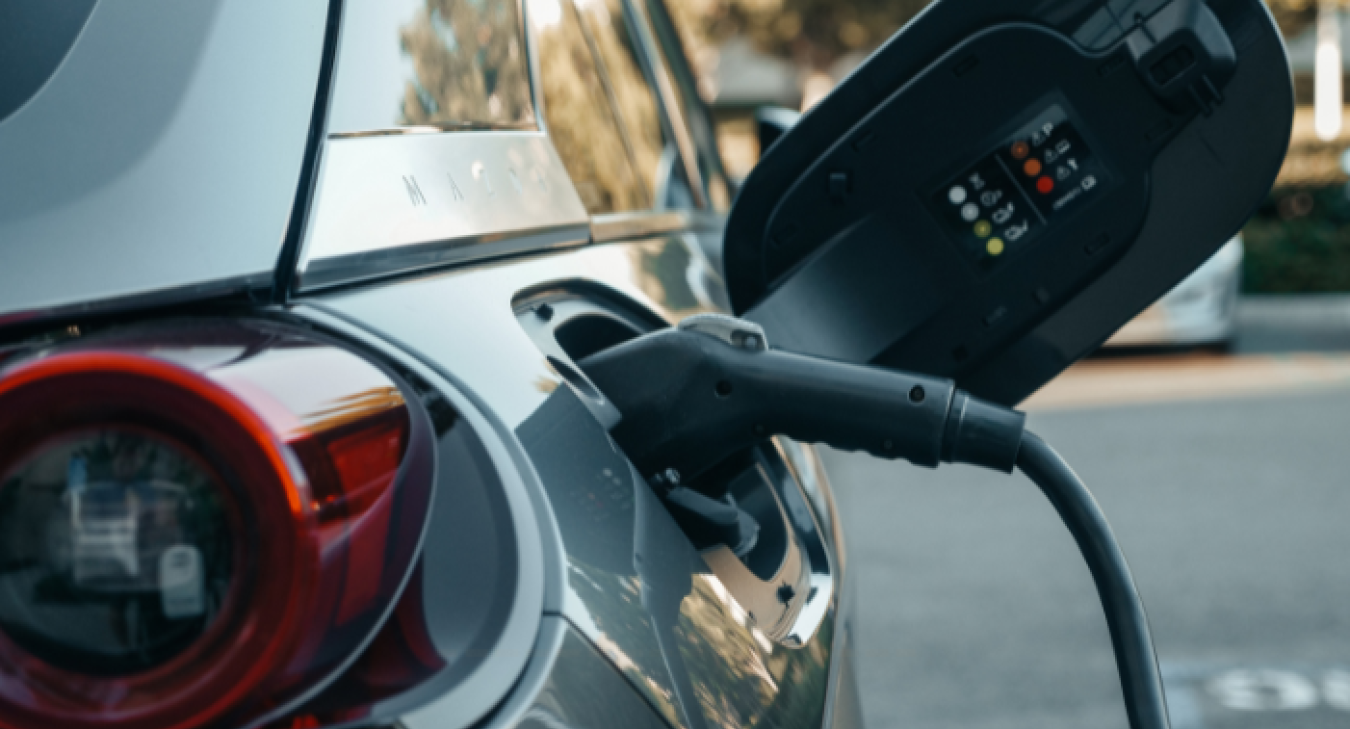
Why EV Chargers Limit Power in Broxbourne Homes
Modern EV chargers are intelligent devices. They constantly monitor your home’s electrical conditions and make real time decisions to protect your wiring, your consumer unit, and your vehicle. Power limiting is often a safety feature, not a failure.
Understanding why this happens can help you avoid unnecessary worry and spot when a professional check is actually needed.
EV chargers are designed to protect your home first
Even when nothing obvious is running in your home, your electrical system is never completely idle. Background loads such as fridges, freezers, routers, security systems, and smart devices are always drawing small amounts of power. Your EV charger monitors these conditions before and during charging.
If it detects voltage fluctuations, temperature changes, or electrical noise, it may deliberately reduce charging output to maintain stability. This is especially common in homes with older wiring or consumer units that were not originally designed with EV charging in mind.
From the outside, it looks like slow charging. In reality, it is your charger preventing strain on the system.
Internal temperature sensors often trigger power reduction
One of the most overlooked reasons EV chargers limit power is heat. Inside every charger are temperature sensors monitoring key components such as terminals, cables, and internal boards.
Even if the room or garage feels cool, heat can build up inside electrical connections over time. If the charger senses rising temperatures beyond safe thresholds, it automatically reduces output to prevent damage.
This often happens during longer charging sessions or overnight charging when people assume conditions are ideal. Without this feature, the risk of cable degradation or terminal failure would be much higher.
Cable routing and installation quality matters more than people realise
In Broxbourne, many homes have had extensions, upgrades, or partial rewires over the years. If the EV charger cable passes through insulated walls, loft spaces, or tightly packed trunking, heat dissipation can be reduced.
The charger may detect this indirectly through resistance changes and respond by limiting power. This is why two homes with the same charger model can experience very different charging performance.
A professional EV charger installation considers cable length, routing, ventilation, and load balance from the start.
Voltage stability affects charging speed
Your EV charger constantly checks voltage stability before allowing full current flow. Even small voltage dips can cause the charger to step back as a precaution.
These dips may not be noticeable in lights or appliances but are enough to trigger the charger’s internal logic. This is common in residential areas where multiple properties share infrastructure or where the supply fluctuates at peak times.
This behaviour is normal, but if it happens frequently, it may indicate that your electrical supply or consumer unit needs assessment.
When power limiting is normal and when it is not
Occasional power reduction is part of normal operation, especially during long charging sessions or overnight. However, consistent slow charging, frequent stops, or failure to reach expected speeds may point to an underlying issue.
Signs that warrant a professional check include repeated power drops, chargers that feel unusually warm, circuit breakers that trip, or chargers that never reach their rated output.
An EV charger inspection can determine whether the issue lies with wiring, earthing, consumer unit compatibility, or installation layout.
Why older homes experience this more often
Many properties in Broxbourne were built long before EV charging was considered. While chargers can be installed safely in older homes, they often require additional electrical upgrades to perform optimally.
Without proper assessment, the charger will rely heavily on its safety limits, resulting in slower or inconsistent charging. This does not mean the charger is faulty, but it does mean the system may not be fully optimised.
How professional assessment improves charging performance
A qualified electrician can evaluate your charger setup, check cable sizing, test earthing, assess load distribution, and confirm that your consumer unit supports modern charging demands.
In many cases, small adjustments or upgrades can significantly improve charging speed while maintaining full safety.
EV charger support in Broxbourne
If your EV charger regularly limits power and you are unsure why, it is worth having it checked properly. Understanding how your charger interacts with your home’s electrical system is key to safe and reliable charging.
JJB Electrical provides professional EV charger inspections and installations in Broxbourne, helping homeowners ensure their charging setup is safe, compliant, and performing as it should.
For advice or an assessment, contact JJB Electrical on 01992 276087.