
Many EV owners in Broxbourne assume that if their charger is installed correctly, it will always deliver the same charging speed. In reality, modern EV chargers are designed to protect your home and vehicle, even if that means quietly reducing power without any obvious alert.
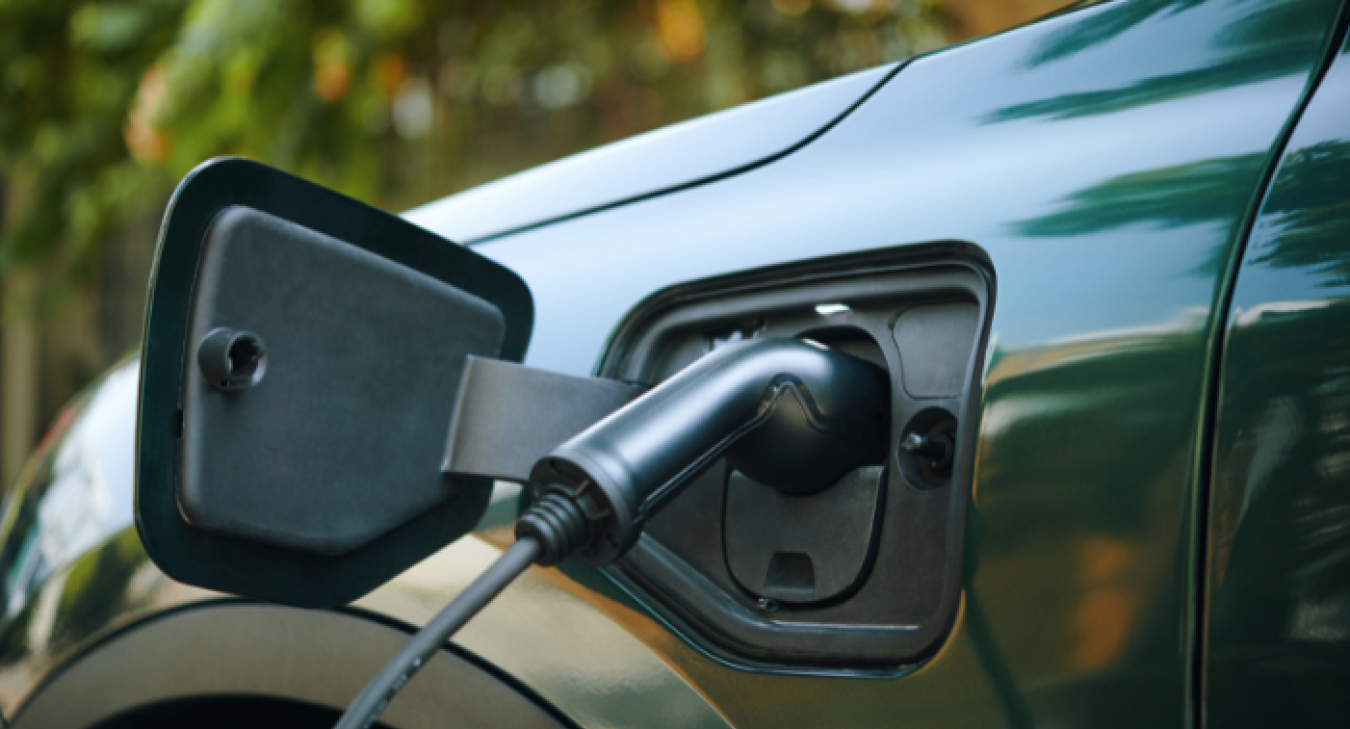
Why Some EV Chargers Reduce Power Without Warning in Broxbourne
This behavior often confuses homeowners. The car still charges, but it takes longer. No fault light appears, no breaker trips, and nothing seems obviously wrong. This silent power reduction is not a fault. It is a built in safety response.
Understanding why this happens helps homeowners recognise when their charger is protecting them and when a professional inspection is needed.
Smart chargers constantly monitor your electrical system
Modern EV chargers are far more intelligent than people realise. Every time you plug in, the charger checks voltage stability, cable temperature, earthing quality and overall circuit load.
If the charger detects anything outside safe limits, it automatically reduces output. This process is called power throttling. It prevents overheating, nuisance tripping and long term damage to your wiring.
In many homes across Broxbourne, this occurs without the homeowner noticing because the charger is doing exactly what it was designed to do.
Electrical load inside the home plays a major role
One of the most common reasons for power reduction is increased demand elsewhere in the property. When high load appliances operate at the same time as the EV charger, the charger may reduce output to keep the circuit within safe limits.
Electric showers, ovens, heat pumps and immersion heaters are frequent contributors. In older properties, circuits were never designed to support this level of simultaneous demand.
Instead of tripping the supply, the charger quietly scales back.
Cable temperature can trigger throttling
Charging cables generate heat, especially during long charging sessions. If the charger senses rising temperatures at the terminals or along the cable, it reduces power to protect connections from deterioration.
This is particularly relevant in garages or outdoor installations exposed to poor ventilation or insulation buildup.
In Broxbourne homes where chargers are installed in enclosed spaces, power reduction often occurs during longer overnight charges.
Earthing and voltage quality issues
EV chargers rely heavily on a stable earth connection. If earthing resistance changes due to soil conditions, corrosion or ageing connections, the charger may lower output as a precaution.
Voltage fluctuations from the local supply can also trigger this response. While these changes may not affect everyday appliances, EV chargers are far more sensitive for safety reasons.
Why homeowners rarely receive warnings
Many chargers log these events internally rather than displaying alerts. Manufacturers design them this way to avoid alarming users when the system is operating safely.
Unless the homeowner checks the charger app or diagnostic logs, the only noticeable symptom is longer charging times.
When power reduction becomes a concern
Occasional throttling is normal. Frequent or permanent reduction is not. If your EV charger in Broxbourne consistently charges slower than expected, it may indicate underlying electrical limitations.
Common issues include undersized supply cables, ageing consumer units or circuits shared with other high load equipment.
Professional assessment makes the difference
At JJB Electrical, we regularly investigate EV chargers that appear to be underperforming. In many cases, the charger itself is functioning perfectly and responding to electrical conditions within the home.
By assessing circuit capacity, earthing integrity and load distribution, we can determine whether upgrades are required to restore full charging performance safely.
If your EV charger in Broxbourne is charging slower without explanation, professional testing ensures your system remains safe and efficient.
For EV charger inspections and upgrades in Broxbourne, contact JJB Electrical on 01992 276087.