
Installing an electric vehicle charger at home is meant to make life easier. You plug in your car, leave it overnight, and wake up to a fully charged battery. Simple.
However, many homeowners across Hertfordshire and Essex notice that their EV charger does not perform as quickly as they expected. Charging may take longer than anticipated, or the speed may vary depending on the time of day.
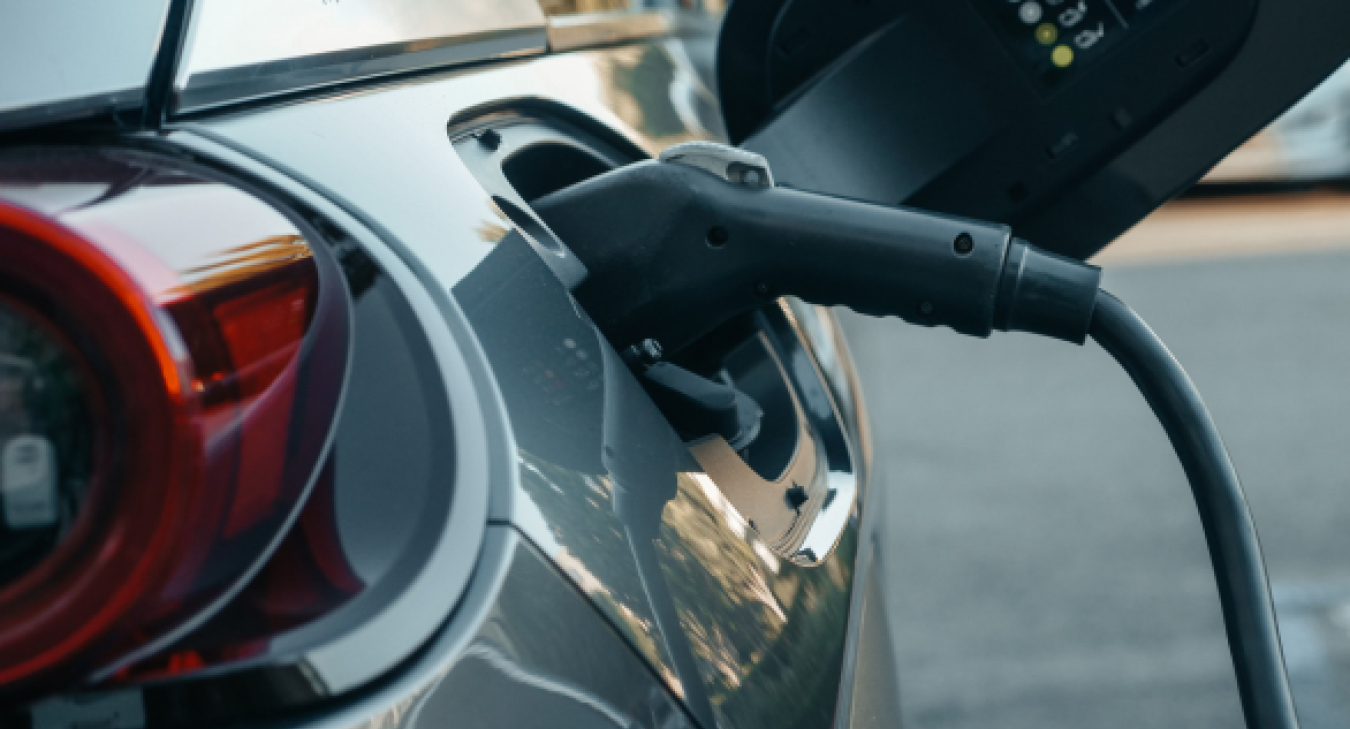
If your EV charger feels slower than it should be, there is always a reason behind it. As electricians providing EV charger installation in Hertfordshire and Essex, we regularly help homeowners understand what is affecting their charging performance.
Not All Chargers Deliver the Same Power
One of the first things to understand is that not all EV chargers operate at the same speed.
Most homes in the UK use a 7 kilowatt charger, which is considered standard for domestic installation. This provides a steady charge and is usually enough to fully charge a vehicle overnight.
However, some homeowners expect the same speed as public rapid chargers, which is not realistic. Public charging stations use much higher power supplies that are not suitable for most residential properties.
If your expectations are based on public charging speeds, your home setup may feel slower even though it is working correctly.
Your Vehicle’s Charging Limit
Another factor that affects charging speed is the vehicle itself.
Every electric vehicle has a built in charging limit that controls how much power it can accept. Even if your charger is capable of delivering more power, the car may only draw a certain amount.
This means that two different vehicles connected to the same charger may charge at completely different speeds.
When carrying out EV charger installation in Hertfordshire and Essex, we always consider the vehicle type to ensure the setup matches your needs.
Electrical Capacity of Your Home
Your home’s electrical system plays a major role in charging performance.
EV chargers place a continuous load on the system for several hours. If your home has limited electrical capacity, the charger may automatically reduce its output to prevent overloading.
This is particularly common in older properties across Hertfordshire and Essex where the electrical system was not designed for modern demand.
In some cases, upgrading the consumer unit or improving the electrical supply can help achieve more consistent charging speeds.
Load Balancing and Smart Control
Many modern chargers include load balancing features.
These systems monitor how much electricity your home is using and adjust the charger’s output accordingly. If other appliances are running at the same time, the charger may slow down to avoid exceeding safe limits.
While this may make charging feel slower, it is actually protecting your electrical system.
Smart chargers also allow scheduling, which means charging may only occur during certain hours. If settings are not configured correctly, it may appear as though the charger is underperforming.
Cable Length and Installation Quality
The way your charger is installed can also affect performance.
If the cable run between the consumer unit and the charger is long or incorrectly sized, some energy can be lost during transmission. This is known as voltage drop.
Poor installation can result in reduced efficiency and slower charging speeds.
Professional EV charger installation in Hertfordshire and Essex ensures that the correct cable size is used and that the system is designed for optimal performance.
Temperature and Weather Conditions
Weather can also influence charging speed.
In colder temperatures, electric vehicle batteries charge more slowly. This is because the battery management system protects the battery from damage by limiting charging speed in low temperatures.
This is a common issue during winter months across Hertfordshire and Essex.
While it may seem like a fault, this behaviour is normal and designed to protect the vehicle’s battery.
Issues with the Charging Cable or Connection
A loose or worn charging cable can also affect charging performance.
If the connection between the charger and the vehicle is not secure, the charger may reduce output or stop charging intermittently.
Checking the cable and ensuring it is properly connected is always a good first step.
If the issue continues, it may require inspection by a qualified electrician.
Why Professional Assessment Matters
If your EV charger consistently charges slower than expected, it is worth having the system checked.
There may be multiple factors involved, including electrical capacity, installation quality or system configuration.
At JJB Electrical, we carry out EV charger fault finding across Hertfordshire and Essex to identify exactly what is affecting performance.
Rather than guessing, we test the system properly and provide clear recommendations.
When to Take Action
You should consider a professional inspection if charging times have increased noticeably, if performance is inconsistent or if the charger behaves differently at certain times.
These signs may indicate underlying electrical issues or configuration problems.
An experienced electrician can quickly determine whether your system is performing as it should.
Book EV Charger Support in Hertfordshire and Essex
If your EV charger feels slower than expected, JJB Electrical can help.
We provide expert EV charger installation in Hertfordshire and Essex, along with fault finding and system checks to ensure everything is working efficiently.
Call 01992276121 or visit jjb-electrical.co.uk to book your inspection today.
Charging your vehicle at home should be reliable and convenient. If it is not performing as expected, there is always a reason.
Identifying it early ensures your system works efficiently and safely for the long term.